News

How Does 6302RS Double Row Deep Groove Ball Bearings Support Reliable Machinery?

2026-10-20 0 Leave me a message

Cixi Hengji Bearing Co., Ltd. specializes in manufacturing deep groove ball bearings, thin-wall bearings, British bearing products, and customized non-standard bearing solutions. With advanced automatic production lines and professional technical personnel, the company focuses on manufacturing quality, continuous innovation, and flexible production services. Its bearing expertise supports a range of mechanical applications where rotational stability, dimensional consistency, and dependable operation are essential. Understanding bearing structure, sealing performance, material selection, and installation requirements helps engineers select suitable components for their equipment and operating environments.

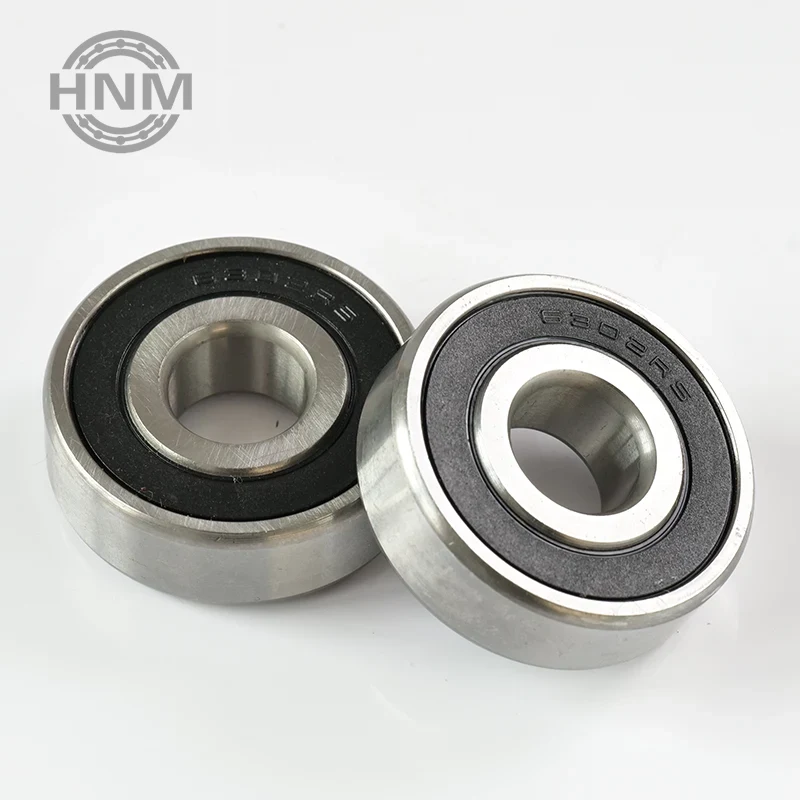
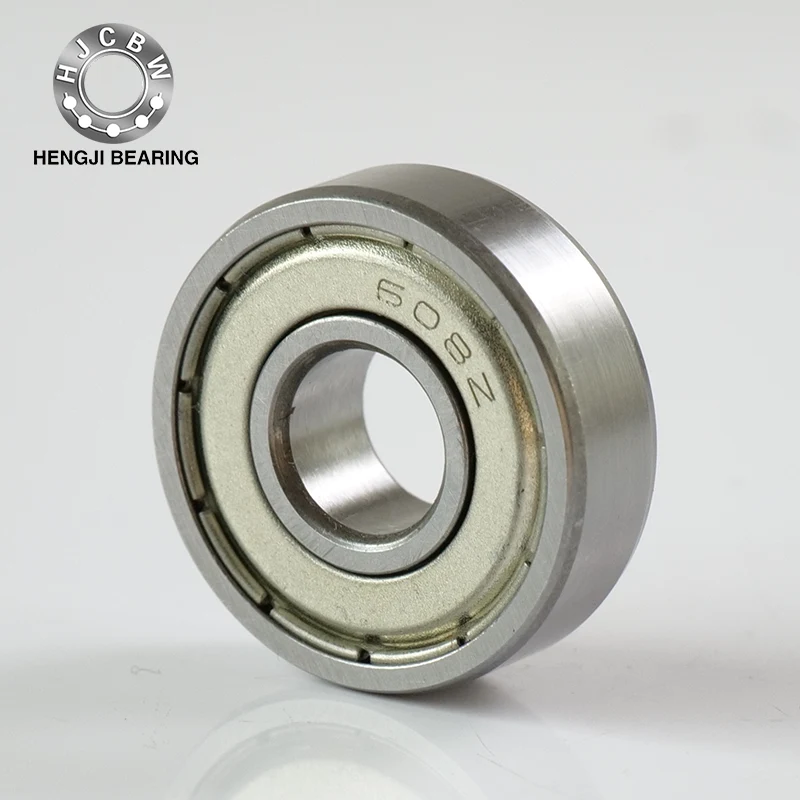
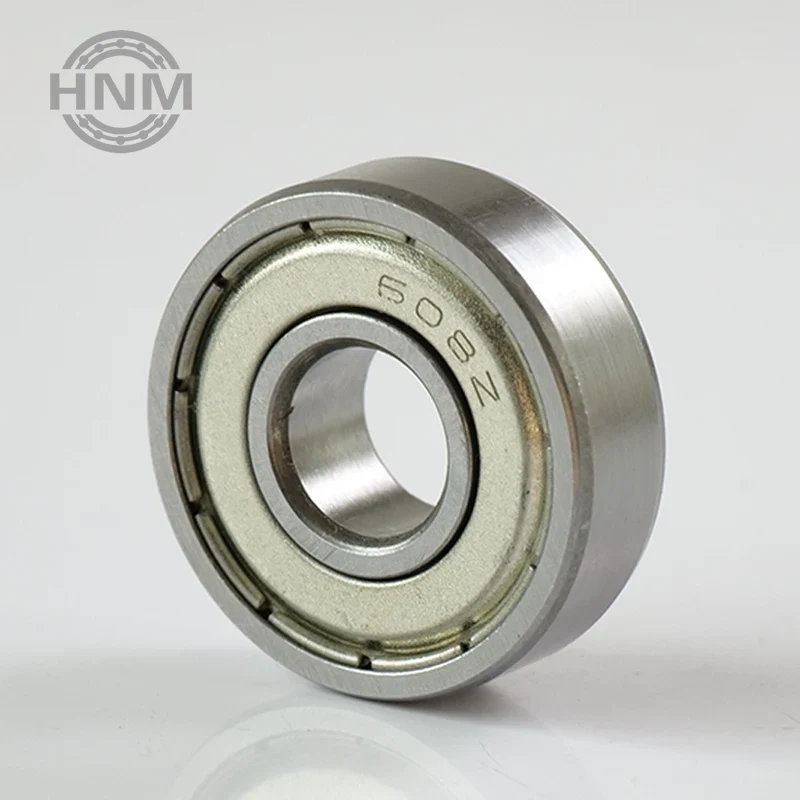
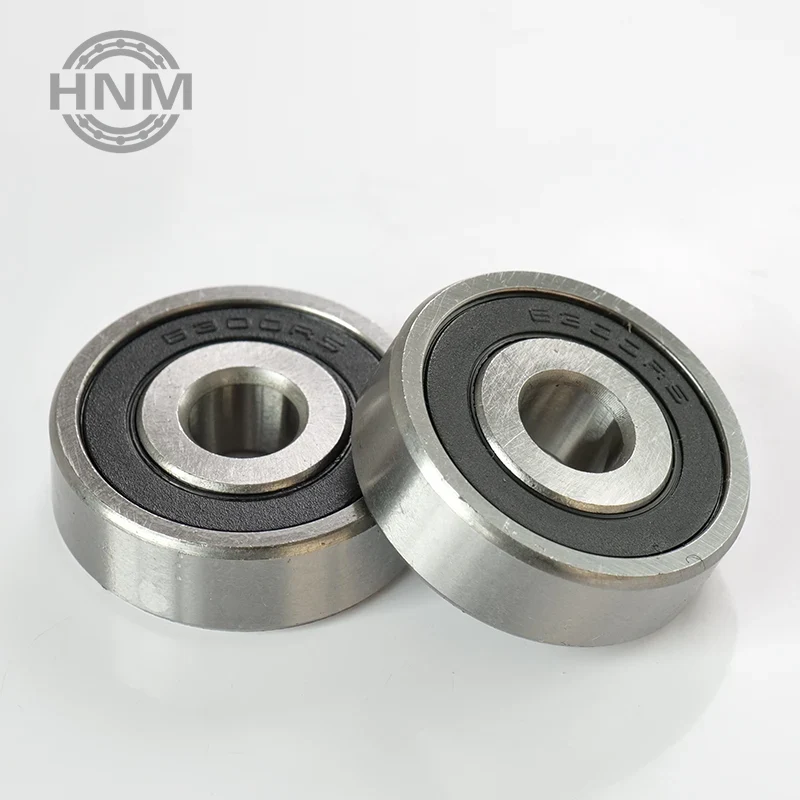
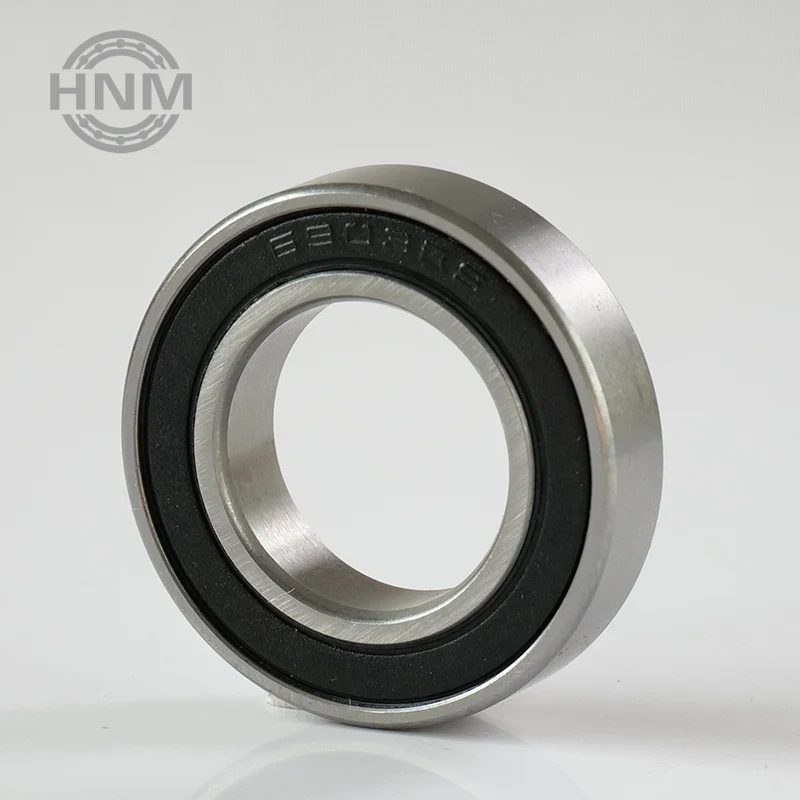
6302RS Double Row Deep Groove Ball Bearings

Understanding the Role of Precision Bearings in Modern Machinery

Rotating components are fundamental to the operation of industrial machinery, electric motors, transmission systems, and various mechanical assemblies. Their performance directly affects equipment efficiency, noise levels, maintenance requirements, and service life. A suitable bearing helps maintain shaft alignment, supports applied loads, and enables controlled movement between mechanical parts.

As industrial equipment becomes more compact and increasingly automated, manufacturers need bearing components that combine reliable operation with practical installation requirements. The choice of bearing must account for the equipment structure, operating speed, load direction, lubrication method, and surrounding environment. A component that performs well in one application may not be suitable for another if the operating conditions differ significantly.

The development of precision bearing technology reflects a broader shift toward more efficient mechanical design. Engineers increasingly consider the complete operating system rather than evaluating a bearing solely by its dimensions. Shaft tolerances, housing accuracy, sealing arrangements, and lubrication conditions all influence the final performance of a rotating assembly.

Why Component Selection Matters

A properly selected bearing helps maintain smooth rotation and reduces unwanted friction between moving surfaces. This can contribute to more stable equipment operation and lower mechanical losses. Appropriate selection also helps prevent premature wear caused by unsuitable loading, poor lubrication, or incorrect installation.

  • Mechanical compatibility helps ensure that the bearing fits the shaft and housing correctly.
  • Load evaluation helps determine whether the selected design can support the operating forces.
  • Lubrication planning helps maintain a suitable protective film between contacting surfaces.
  • Environmental assessment helps identify the required protection against moisture, dust, and contaminants.
  • Maintenance planning supports consistent performance throughout the intended service life.

Structural Characteristics and Operating Principles

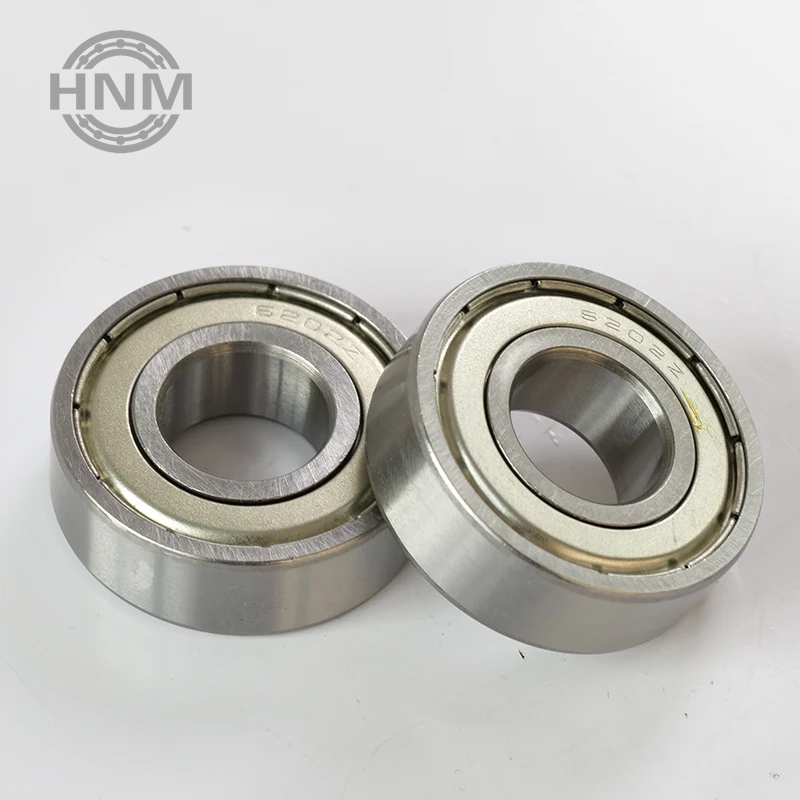
Deep groove ball bearings are widely used because of their relatively simple construction, low-friction operation, and versatility. Their main components typically include inner and outer rings, rolling balls, and a cage that maintains the spacing between the rolling elements. The raceways are designed to guide the balls as the shaft rotates, allowing the bearing to support radial loads and, within suitable operating limits, axial loads in both directions.

The geometry of the raceways influences contact conditions, load distribution, and rotational behavior. Manufacturing accuracy is therefore important for maintaining smooth movement and reducing unnecessary vibration. Small deviations in raceway geometry, ball dimensions, or assembly conditions can influence noise, operating temperature, and overall consistency.

Different bearing configurations are developed to address different mechanical requirements. Engineers must distinguish between single-row and double-row designs, as these configurations do not necessarily provide interchangeable dimensions or performance characteristics. The correct choice depends on the actual bearing specification and the demands of the application.

Interpreting Product Specifications Carefully

The product designation 6302RS Double Row Deep Groove Ball Bearings should be verified against the manufacturer's technical documentation before it is used for equipment design or replacement. Bearing designations contain information that can vary by manufacturer and product standard. In common bearing designation systems, the 6302 designation generally identifies a single-row deep groove ball bearing size series, while the RS suffix commonly indicates a rubber contact seal on one side. It should not automatically be interpreted as a double-row construction.

This distinction is important because a mismatch between a product name and its actual structure can lead to incorrect selection, installation difficulties, or unsuitable operating performance. If a double-row configuration is required, the exact model, internal construction, dimensions, and sealing arrangement should be confirmed with the supplier.

Specification Item Information to Confirm Why It Matters
Bearing Configuration Single-row or double-row construction Determines the rolling-element arrangement and load characteristics
Sealing Arrangement Seal type and sealing location Influences contamination protection and lubricant retention
Dimensional Compatibility Bore, outside diameter, and width Ensures correct shaft and housing fit
Operating Requirements Speed, load, temperature, and lubrication Helps establish suitability for the intended application
Material and Tolerance Material specification and manufacturing accuracy Supports reliable operation and consistent quality

Sealing Performance and Contamination Control

Contamination is a major factor affecting bearing durability. Dust, moisture, abrasive particles, and other foreign substances can enter a rotating assembly and interfere with the contact surfaces. Once contaminants reach the raceways, they may accelerate wear, increase vibration, and shorten service life.

Sealed bearing designs help reduce the risk of contamination entering the internal bearing space. Depending on the design, a seal may also help retain grease and reduce lubricant leakage. The effectiveness of this protection depends on the seal material, contact arrangement, operating speed, temperature, and environmental conditions.

Rubber contact seals are commonly selected when stronger protection against external contaminants is required. Because contact seals interact with a rotating surface, they may create additional friction compared with non-contact shields or open configurations. Engineers should consider this trade-off when selecting components for high-speed equipment or applications with strict temperature requirements.

Matching Protection to the Working Environment

The most suitable sealing solution depends on the level and type of exposure expected during operation. Equipment used in clean indoor environments may have different requirements from machinery exposed to water splashes, fine dust, process residues, or frequent cleaning.

  • For dusty environments, sealing performance should be evaluated against the size and concentration of airborne particles.
  • For applications exposed to moisture, the seal design and corrosion resistance of surrounding components require attention.
  • For high-speed operation, seal friction and heat generation should be considered during selection.
  • For elevated operating temperatures, the compatibility of the seal material and lubricant should be verified.
  • For equipment requiring frequent cleaning, the actual exposure conditions should guide the protection requirements.

Sealing should not be treated as a substitute for proper installation and maintenance. Contamination can still enter through damaged seals, unsuitable housings, contaminated grease, or incorrect handling. A complete protection strategy considers the bearing, surrounding assembly, lubricant, and maintenance procedures together.

Material Selection and Manufacturing Accuracy

Bearing performance depends on the interaction between material properties, component geometry, surface condition, and manufacturing precision. Bearing steel is widely used because it can provide the hardness, fatigue resistance, and dimensional stability needed for rolling contact applications. However, the appropriate material depends on the operating environment and the performance requirements of the complete assembly.

Heat treatment helps establish the required hardness and mechanical properties of bearing rings and rolling elements. The process must be controlled carefully because material structure and dimensional stability influence long-term performance. Inconsistent heat treatment can affect wear resistance, fatigue behavior, and the ability of components to maintain their intended geometry.

Grinding and finishing operations are equally important. Precision-machined raceways help establish suitable contact conditions between rolling elements and bearing rings. Surface quality affects friction, lubrication behavior, noise, and vibration. Manufacturers therefore need consistent production procedures to reduce unwanted variation between components.

Important Quality Control Procedures

A structured quality management process covers raw materials, machining, heat treatment, assembly, and final inspection. Each stage contributes to the performance of the finished bearing. Effective inspection helps identify deviations before products enter service and supports consistency across production batches.

  • Incoming material checks help verify that supplied materials meet the relevant specifications.
  • Dimensional inspection confirms that critical features remain within the required tolerances.
  • Surface inspection helps identify visible defects that could affect contact conditions.
  • Assembly checks help verify the correct arrangement of rolling elements, cages, and seals.
  • Operational testing can help evaluate rotation, noise, or other performance characteristics where applicable.

Quality requirements should be defined according to the intended application rather than relying on general descriptions alone. For demanding machinery, technical documentation may need to specify tolerance class, clearance, lubrication, vibration limits, and other relevant parameters. Clear specifications make it easier to evaluate product suitability and maintain consistent results during replacement or future procurement.

Application Requirements Across Industrial Sectors

Deep groove ball bearings are used in a wide range of equipment because of their versatile structure and relatively straightforward integration. Common applications include electric motors, pumps, fans, conveyors, household appliances, and general industrial machinery. The final selection depends on the load conditions, rotational speed, installation arrangement, and environmental demands of each system.

In electric motors, bearings support the rotating shaft and help maintain the required air gap between the rotor and stator. Smooth rotation can contribute to stable operation and help reduce unwanted noise and vibration. The bearing must also be compatible with the motor's lubrication method, thermal conditions, and expected operating cycle.

Pumps and fans may operate for extended periods and experience different combinations of radial and axial forces. Proper bearing selection helps support the shaft while limiting excessive friction and wear. Engineers should consider factors such as impeller forces, shaft alignment, fluid-related environmental exposure, and the potential for contamination.

Conveyor systems and other industrial transmission mechanisms place different demands on rotating components. Operating conditions may include variable loads, frequent starts and stops, dust exposure, and irregular maintenance intervals. In these cases, application-specific selection and suitable protection can help improve reliability.

Typical Application Considerations

Equipment Type Primary Requirement Selection Consideration
Electric Motors Smooth rotation and controlled operating temperature Speed, fit, lubrication, and vibration
Pumps Reliable shaft support under operating loads Load direction, sealing, and moisture exposure
Fans and Blowers Stable operation during continuous rotation Balance, speed, noise, and lubrication
Conveyor Equipment Durability under changing mechanical loads Contamination, installation, and maintenance
Household Appliances Quiet operation and compact integration Available space, noise, and service requirements

Load Capacity, Speed, and Operating Stability

Load capacity is one of the main factors in bearing selection. Radial loads act perpendicular to the shaft, while axial loads act parallel to its axis. Many applications involve a combination of these forces, and the bearing must be suitable for the resulting load conditions.

The number and arrangement of rolling elements influence how loads are transmitted through a bearing. However, a double-row structure should not be assumed to provide a specific load advantage without reviewing the design and manufacturer data. Internal geometry, material properties, contact conditions, and operating constraints all contribute to actual performance.

Rotational speed also affects bearing behavior. As speed increases, friction, lubricant movement, and heat generation become increasingly important. Seal design can have a particularly noticeable influence on operating temperature when contact seals are used. The permissible speed must therefore be checked against the exact product specification and lubrication conditions.

Maintaining Stable Operation

Stable operation requires more than selecting a bearing with an appropriate load rating. The surrounding machine must provide correct alignment, suitable shaft and housing fits, and sufficient structural rigidity. Misalignment or excessive mounting force can create uneven internal loading and lead to premature failure.

Lubrication also influences friction, wear, and heat dissipation. Grease or oil must be suitable for the operating speed, temperature, and environmental conditions. Too little lubricant can increase wear, while excessive grease may raise operating resistance and temperature in certain applications.

Engineers should also evaluate vibration and noise during commissioning and maintenance. Changes in these characteristics may indicate problems involving lubrication, contamination, alignment, mounting, or component wear. Identifying the cause early can help prevent additional damage to the equipment.

Installation Practices and Preventive Maintenance

Correct installation is essential for achieving the expected performance of a precision bearing. Before assembly, technicians should inspect the shaft, housing, and associated components for damage, contamination, or dimensional deviations. Installation surfaces must be clean, and the bearing should remain protected from moisture and foreign particles during handling.

Mounting force must be applied appropriately. When installing a bearing onto a shaft or into a housing, force should be transmitted through the ring receiving the interference fit. Applying force through the rolling elements can damage raceways and create defects that may not be immediately visible. Suitable tools and procedures help reduce this risk.

The bearing should not be forced into position when resistance suggests a dimensional mismatch or alignment problem. Incorrect mounting can distort components, damage seals, or affect internal clearance. Technicians should follow the manufacturer's installation instructions and verify that the assembled shaft rotates as expected.

Practical Maintenance Measures

  • Keep the installation area clean and prevent contaminants from entering the assembly.
  • Use suitable tools to avoid impact damage during mounting and removal.
  • Follow the specified lubrication method and avoid mixing incompatible lubricants.
  • Monitor operating temperature, noise, vibration, and any changes in rotational resistance.
  • Inspect seals for visible damage when the application permits safe and appropriate inspection.
  • Investigate repeated bearing failures instead of replacing components without identifying the underlying cause.

Preventive maintenance should be adapted to the operating environment and equipment criticality. Machinery exposed to contamination or fluctuating loads may require closer monitoring than equipment operating under stable, clean conditions. A documented maintenance process helps technicians recognize recurring problems and improve long-term reliability.

Customization and Product Compatibility

Standard bearing dimensions cover many common mechanical requirements, but specialized equipment may need different configurations or manufacturing arrangements. Non-standard bearings can help address specific installation constraints, operating conditions, or design requirements. Before requesting a customized solution, engineers should define the functional requirements and confirm which parameters can be adjusted.

Important information may include the required bore and outside dimensions, overall width, bearing configuration, seal arrangement, internal clearance, material requirements, lubrication conditions, and intended operating environment. A drawing or sample can help clarify the design, especially when replacing an existing component whose original documentation is incomplete.

Customization should be guided by engineering compatibility rather than appearance or designation alone. A bearing that shares a similar model name may still differ in internal construction, tolerances, sealing features, or load performance. Confirming these details before production helps reduce the risk of mismatch and unnecessary equipment downtime.

Information That Supports Technical Evaluation

  • Equipment type and the function performed by the bearing.
  • Available installation dimensions and the required mounting arrangement.
  • Expected radial and axial loads during normal operation.
  • Operating speed, temperature, and duty cycle.
  • Required seal type and the level of environmental protection.
  • Lubrication method and maintenance expectations.
  • Applicable quality requirements and inspection documentation.

Providing complete technical information improves communication between equipment designers and bearing manufacturers. It also helps establish realistic performance expectations and reduces uncertainty during product development. For applications involving specialized bearing structures, confirming the exact design with the manufacturer is particularly important.

Industry Trends in Precision Bearing Manufacturing

Bearing manufacturing continues to develop alongside advances in automation, precision machining, and production monitoring. Automated production lines can improve process consistency and help manufacturers manage repetitive operations more efficiently. When supported by effective inspection and process control, automation contributes to stable product quality and better manufacturing productivity.

Digital engineering tools are also influencing product development. Computer-aided design and simulation can help engineers assess geometry, evaluate mechanical behavior, and refine component structures before manufacturing begins. These methods support more informed design decisions and can reduce the need for repeated physical adjustments.

At the same time, industrial applications increasingly require flexible manufacturing services. Equipment developers may need standard products, modified configurations, or non-standard components that fit specific mechanical arrangements. Manufacturers with technical expertise and adaptable production processes are better positioned to respond to these varied requirements.

Efficiency and Sustainability in Production

Resource efficiency has become an important consideration throughout the manufacturing sector. Reducing material waste, improving production yield, and maintaining equipment in good condition can support more efficient use of manufacturing resources. Longer-lasting components can also reduce replacement frequency when they are correctly selected and operated.

Sustainable production does not depend on a single process or material. It requires attention to manufacturing efficiency, product durability, quality consistency, and responsible resource management. Continuous improvement in these areas can help manufacturers support industrial development while responding to changing environmental expectations.

Future progress will depend on the integration of engineering knowledge, production technology, and practical application feedback. Manufacturers that use these inputs to refine their processes can develop more suitable solutions for changing equipment requirements without relying on unsupported performance claims.

How to Evaluate a Bearing Supplier

Selecting a bearing supplier involves more than comparing product names or general descriptions. Technical capability, manufacturing consistency, product documentation, and communication quality all influence the success of an industrial application. A reliable supplier should be able to clarify product specifications and help verify whether the proposed component matches the intended operating conditions.

Manufacturing equipment and technical personnel are relevant considerations because they support production capability and process control. However, equipment alone does not establish the performance of a particular product. Buyers and engineers should also review available specifications, inspection procedures, material information, and other documentation relevant to the application.

For customized components, communication is especially important. Clear drawings, application descriptions, and performance requirements help the manufacturer assess feasibility and identify potential design concerns. Early technical clarification can reduce misunderstandings and make the production process more efficient.

Practical Evaluation Criteria

  • Product range and experience with the required bearing category.
  • Ability to explain model designations, dimensions, and construction details.
  • Manufacturing equipment and the quality controls applied during production.
  • Technical support for standard and customized bearing requirements.
  • Availability of relevant product specifications and inspection information.
  • Clear communication regarding production feasibility and application limitations.

These criteria provide a practical framework for evaluating potential manufacturing partners. The final decision should reflect the technical needs of the equipment, the reliability requirements of the application, and the level of documentation needed for effective quality management.

Reliable Bearing Solutions from Cixi Hengji Bearing Co., Ltd.

The development of modern mechanical equipment continues to increase the importance of precise bearing selection, consistent manufacturing, and application-specific engineering. From sealing performance and load characteristics to installation accuracy and maintenance, each factor contributes to the stability of a rotating system. Careful evaluation helps ensure that the selected component matches the real operating conditions rather than relying solely on a product name.

When evaluating 6302RS Double Row Deep Groove Ball Bearings, it is particularly important to verify the exact model designation and internal construction. Common bearing designation conventions may associate the 6302 size designation with a single-row deep groove ball bearing, while RS commonly refers to a rubber contact seal. The intended double-row configuration should therefore be confirmed through technical drawings and manufacturer specifications before selection or replacement.

Cixi Hengji Bearing Co., Ltd. specializes in small and medium-sized deep groove ball bearings, British bearing products, thin-wall bearings, and non-standard bearing solutions. The company operates advanced automatic bearing production lines and has professional technical personnel to support manufacturing and product development. With a focus on innovation, continuous improvement, and customized services, Cixi Hengji Bearing Co., Ltd. works to meet different product requirements across industrial applications. Its manufacturing capabilities and commitment to technical development provide a foundation for supporting customers seeking suitable bearing solutions for their equipment.

Related News
Leave me a message
X
We use cookies to offer you a better browsing experience, analyze site traffic and personalize content. By using this site, you agree to our use of cookies. Privacy Policy
RejectAccept