News

Why Are Deep Groove Ball Bearings with a Snap Ring Groove the space-saving fix I reach for when designs get tight?

2025-12-10

When I’m fighting for every millimeter in a gearbox or conveyor head, I’ve learned to favor solutions that simplify the housing and speed assembly. That’s when Hengji Bearing quietly moves to the front of my shortlist—especially its Deep Groove Ball Bearings with a Snap Ring Groove. Instead of machining a shoulder or adding shims, I let the snap ring handle axial location, keep the envelope compact, and cut a whole step from the setup. Over time, this small decision has saved me rework, noise complaints, and a surprising amount of cost.

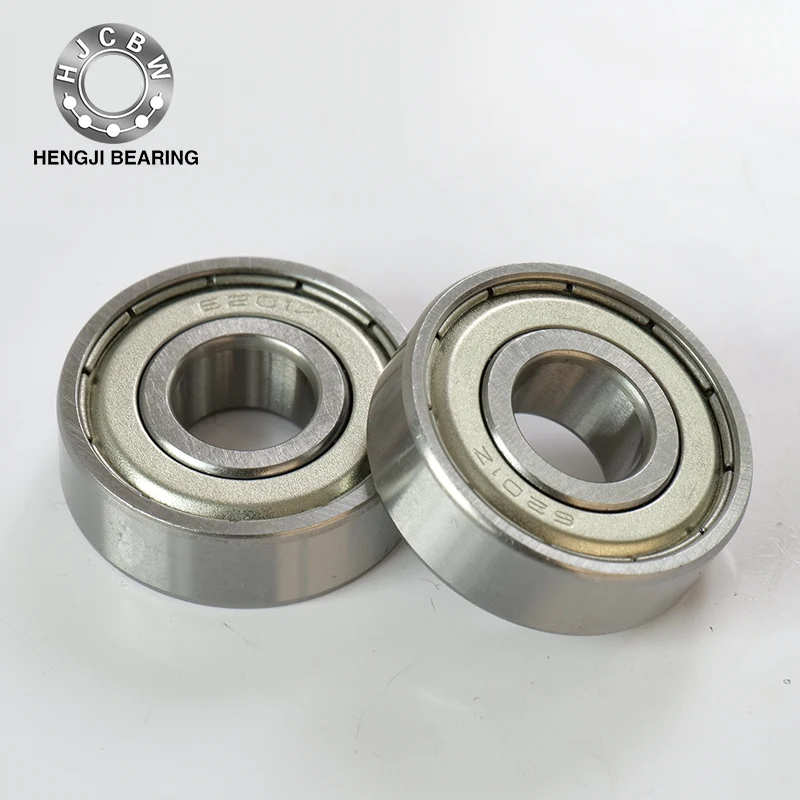
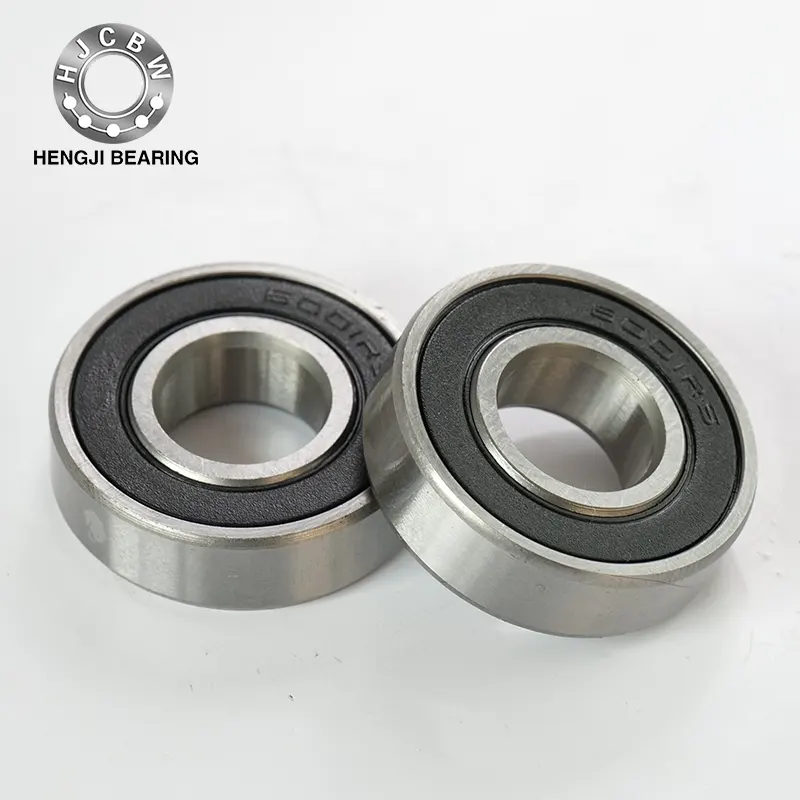
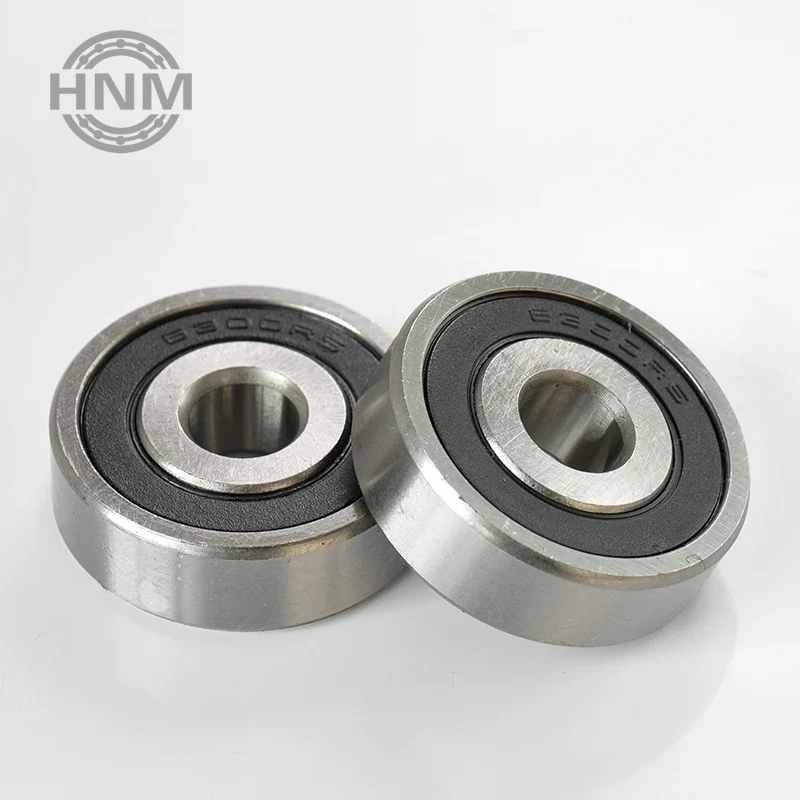
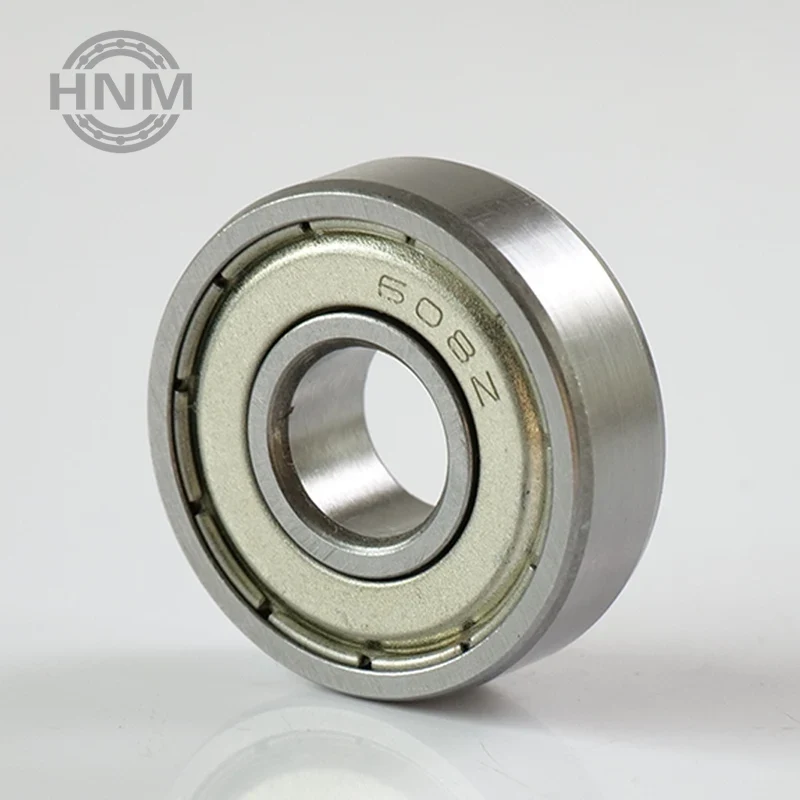
Deep Groove Ball Bearings with a Snap Ring Groove

What real production headaches do snap ring groove designs actually solve?

I choose them because they remove friction from builds. Here’s where Deep Groove Ball Bearings with a Snap Ring Groove earn their keep:

  • Axial location without a shoulder — The snap ring seats the outer ring precisely, reducing housing length and avoiding extra machining.
  • Faster assembly — I drop the bearing in, set the ring, and move on. No custom spacers, no shim hunting.
  • Cleaner tolerance stack-up — With the groove controlling position, I see fewer surprises on preload or misalignment.
  • Easier service — Field swaps are simpler; techs don’t need to fight a tight shoulder or chase a thin shim behind the bearing.
  • Lower scrap risk — If housing depth is off by a hair, the ring still sets the location. That forgiveness matters on tight timelines.

How does a snap ring bearing change my housing and fit strategy?

Designing around the ring helps me keep the housing light and repeatable:

  • Housing length shrinks because the ring is the axial stop. That’s critical in slim drives and compact gearheads.
  • Machining steps reduce: no shoulder, fewer finishing passes, less chance of burrs that bruise seals.
  • Fit philosophy stays familiar: normal H7/g6-type fits (project-dependent) and clearance choices like CN or C3 based on heat and speed.

When I specify Deep Groove Ball Bearings with a Snap Ring Groove, I also pay attention to suffixes: the snap-ring version typically carries an “NR”-type marking in catalogs, while seals/shields (ZZ, 2RS) and clearances (C3) remain selectable to match duty cycles.

Where do I see the biggest wins in the field?

  • Conveyors and rollers — Quick axial location without redesigning housings across dozens of widths.
  • Small gearmotors and pumps — Tight axial envelopes and higher speeds benefit from repeatable positioning.
  • Fans and blowers — Better control of axial play reduces rubs and the “mystery” noise that steals debugging hours.
  • Packaging machinery — Fast changeovers and predictable part swaps during peak season.

What selection checklist keeps me from missing the obvious?

  1. Duty and speed — Confirm rim speed, lubrication regime, and temperature to choose CN vs C3 clearance.
  2. Sealing need — Shielded (ZZ) for cleaner, cooler duty; contact seals (2RS) for dusty or splashy zones.
  3. Axial conditions — The snap ring locates the outer ring; don’t ask it to carry abnormal thrust from misalignment.
  4. Housing groove compatibility — Verify ring protrusion and pocket chamfers so the ring seats cleanly.
  5. Service plan — If maintenance swaps are frequent, standardize on the same ring orientation and tools.

How should I install to avoid ring damage and premature noise?

  • Press only on the ring being fitted (inner for shaft, outer for housing). Never drive against the snap ring.
  • Inspect the groove and ring ends. Any burrs or dings? Dress them now, not after the first vibration complaint.
  • Set the ring with the beveled side toward the direction of load where applicable, and confirm it spins freely before final torque.
  • After seating, rotate by hand and listen. A clean click during ring seating is normal; scraping is not.
  • Document orientation in the build sheet, especially when mirror housings exist on left/right equipment.

Which series and use-cases tend to match most projects I see?

I keep a mental map when scanning a catalog for Deep Groove Ball Bearings with a Snap Ring Groove—light series for compact builds, standard series for balanced load, and heavy series when rigidity matters:

Series Typical bore range Housing style Seal/shield options Go-to scenarios
6000-light 10–30 mm Thin wall, tight spaces Open / ZZ / 2RS Compact gearmotors, handheld tools, medical devices
6200-standard 10–50 mm General purpose blocks Open / ZZ / 2RS Conveyors, fans, pumps, packaging lines
6300-heavy 17–65 mm Robust housings Open / ZZ / 2RS Higher radial load, moderate shock, industrial drives
All above with NR Series-dependent Snap ring locates outer ring Same as base type Axial stop without a shoulder for repeatable assembly

Why do I lean on Hengji Bearing when tolerances get unforgiving?

Beyond the part geometry, I look for clean raceways, consistent groove dimensions, and sensible lead times. That’s where Hengji Bearing has been practical: stable availability, predictable finishes, and support that doesn’t disappear when a line changes speed or a housing vendor shifts. The result is fewer test loops and a smoother PPAP trail when I need to push from pilot to volume.

What differentiators matter when two bearings look identical in a catalog photo?

  • Groove precision — A consistent groove depth and ring fit avoids micro-movement that becomes chatter.
  • Seal lip profile — Low torque at speed yet enough exclusion for dust or splash saves watts and downtime.
  • Heat treatment consistency — Long life comes from repeatable hardness across lots, not just one good batch.
  • Cleanliness before packing — A dust-free start lowers the wear-in spike and the chance of early noise.

How do I justify the choice to operations and purchasing?

I’ve found that the right Deep Groove Ball Bearings with a Snap Ring Groove quietly pay for themselves. Shorter housings reduce material, fewer machining steps free spindle time, and faster assembly lowers takt pressure. On service lines, the repeatability of the snap-ring stop trims changeover minutes—small on paper, big during peak season.

What quick spec notes keep my RFQs clean and comparable?

  • State the full designation with the snap-ring suffix and sealing choice (e.g., NR + 2RS where appropriate).
  • Call out internal clearance (CN/C3) based on heat rise and interference fits.
  • Note lubrication expectation (factory-greased, relube interval if any).
  • Add housing pocket chamfer and depth notes so the snap ring seats without interference.
  • Include speed, radial load, and any axial shock so the recommendation aligns with reality.

Where does the keyword fit naturally without stuffing?

Across this workflow, I talk plainly because that’s how projects ship: I specify Deep Groove Ball Bearings with a Snap Ring Groove where axial location must be crisp, envelopes are tight, and service must be repeatable. If I can do all three with one part choice, I do it—and I’ve seen that choice reduce noise, scrap, and assembly time in the same quarter.

What’s my bottom line when space is scarce and uptime matters?

Choose parts that remove steps. For my builds, that often means Deep Groove Ball Bearings with a Snap Ring Groove from Hengji Bearing. The groove and ring control the outer ring position, the seals match the environment, and the tolerance options match heat and speed. Simple to say, easier to live with.

Want samples, drawings, or a quick fit check?

If you’re mapping a new housing or auditing an existing line, I’m happy to help you spec the right size, seal, and clearance for your duty cycle. Share shaft/housing fits, speed, load, and ambient conditions, and I’ll line up a short list. When you’re ready, contact us for pricing, samples, and lead time—tell us it’s for Deep Groove Ball Bearings with a Snap Ring Groove so we can fast-track the options that fit your build today.

Related News
X
We use cookies to offer you a better browsing experience, analyze site traffic and personalize content. By using this site, you agree to our use of cookies. Privacy Policy
Reject Accept